
Scent of the Old Bazaar
A culinary journey to Pata Nala, Lucknow...
In the maze of narrow, cobblestone alleys winding through the ancient heart of Chowk in Lucknow, time operates on a completely different scale. While modern gourmet joints sprout in glassy shopping complexes elsewhere in the city, the air here remains heavy with the rich scent of burning coal, warm ghee, and boiled milk. Among these historic culinary lanes, a humble shop situated opposite Pata Nala stands out as a sacred site of gastronomy: Idrees Biryani. Since its inception in 1968, this unimposing eatery has preserved an unmatched preparation tradition, serving what is widely celebrated as the ultimate crown jewel of Awadhi rice heritage.
The Vision of Mohammad Idrees: Street Cooking Redefined
To understand the depth of the Idrees Biryani tradition, one must look back to the mid-20th century. The legendary shop was founded by Mohammad Idrees, a visionary cook whose family was not originally from Lucknow, but from the nearby historic town of Mohaan. Idrees had spent nearly twenty-five years mastering the intricate mechanics of traditional Awadhi slow-cooking under the tutelage of Haji Abdul Raheem, a legendary master chef of the era. Possessing deep culinary knowledge but modest resources, Idrees sought his mentor’s blessing and established his own food stall.
Through hard labor, precise hand-mixing of spices, and an unwavering commitment to high-quality ingredients, his business grew from a localized secret into an international food landmark. Today, the legacy is meticulously guarded by his sons, Mohammad Abu Bakr and Mohammad Abu Hamza, who keep their father’s memory alive inside every steaming copper pot. They arrive at the crack of dawn to blend the spice formulas themselves, ensuring that the ancient chemistry of the food remains uncompromised by modern shortcuts.
Is It Truly Biryani or an Awadhi Yakhni Pulao?
Among the purists of Lucknow's traditional culinary circles, there is a perpetual, friendly debate concerning the exact definition of the dish served at Idrees. Unlike the highly spiced, intensely colorful, and relatively dry layers of Hyderabadi Biryani, the formulation at Idrees is a classic Awadhi Yakhni Pulao. While casual diners routinely order it as "biryani," the preparation technique aligns perfectly with ancient pulao-making methodologies perfected in royal court kitchens.
The core distinction lies in the treatment of the meat. In standard biryanis, raw or parboiled meat is layered directly with rice. At Idrees, the mutton is first boiled extensively in a rich, spiced water infusion to construct a highly concentrated stock known as Yakhni. The meat absorbs these flavors deeply, becoming incredibly tender. The aromatic stock is then used to cook the basmati rice, ensuring that every individual grain of rice is fully infused with the savory essence of slow-cooked meat before the final assembly.
Visualizing the Fire-and-Steam Ritual
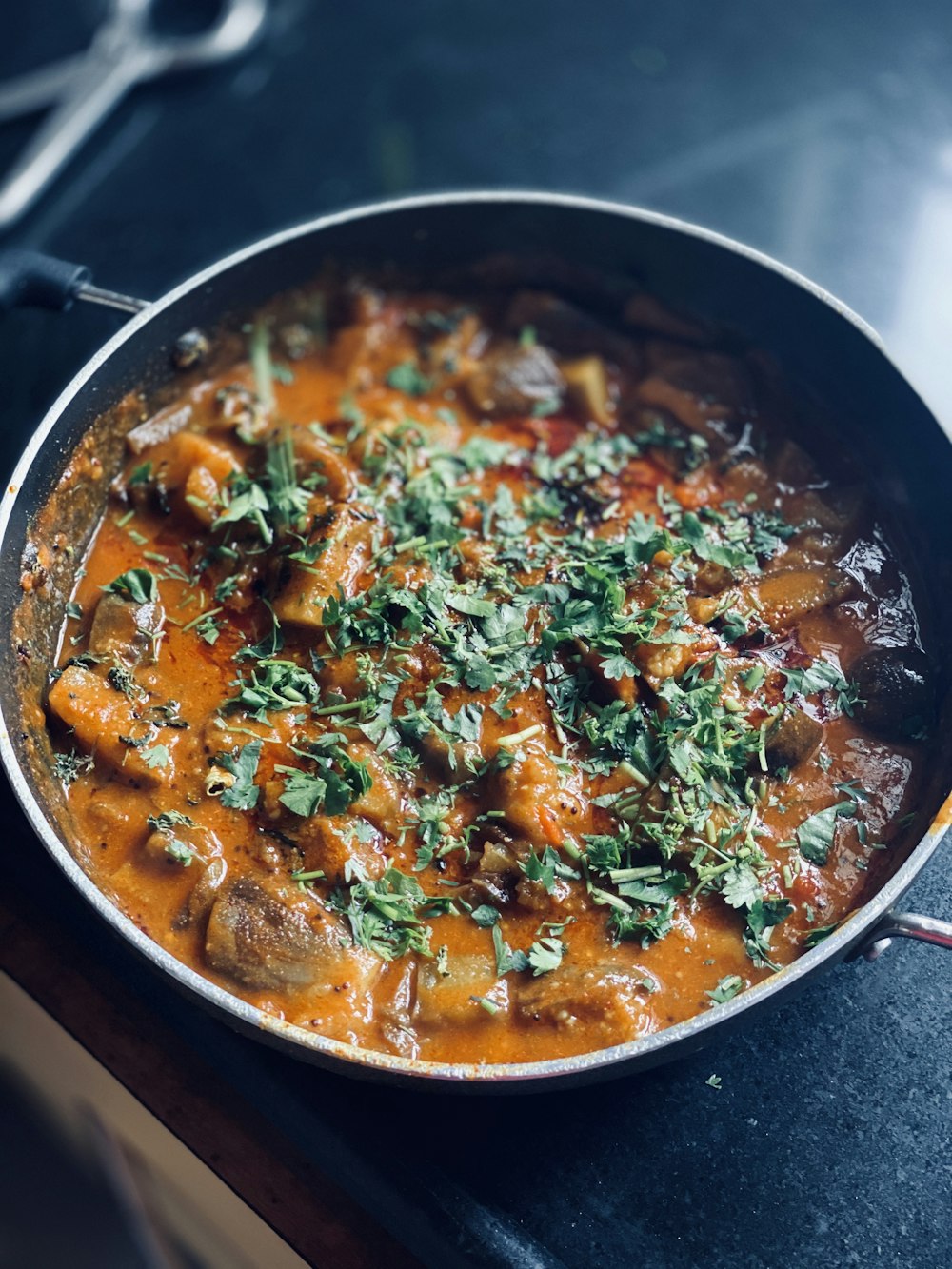

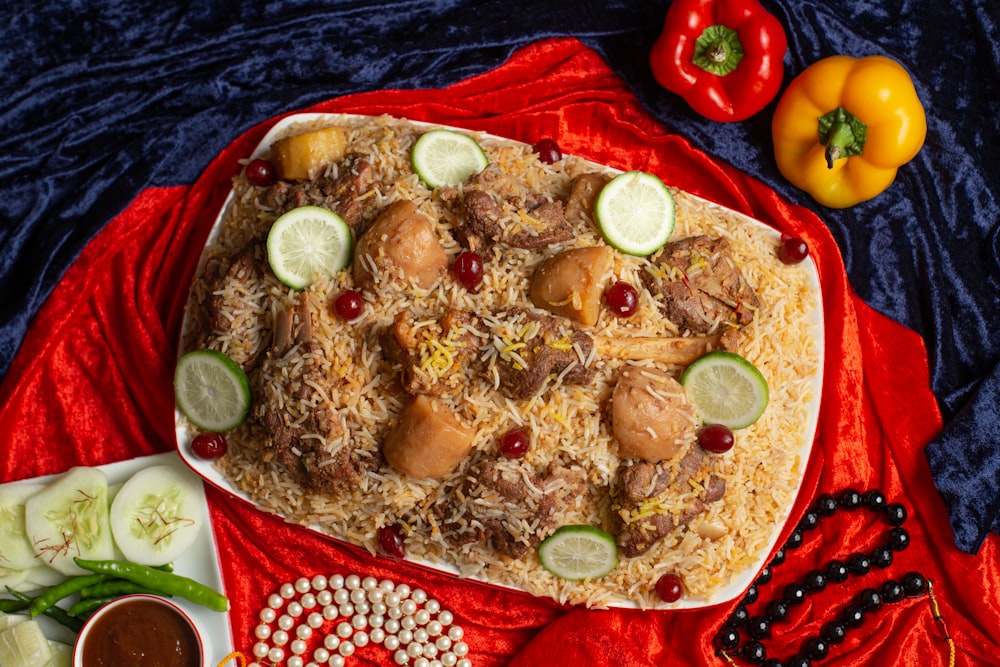
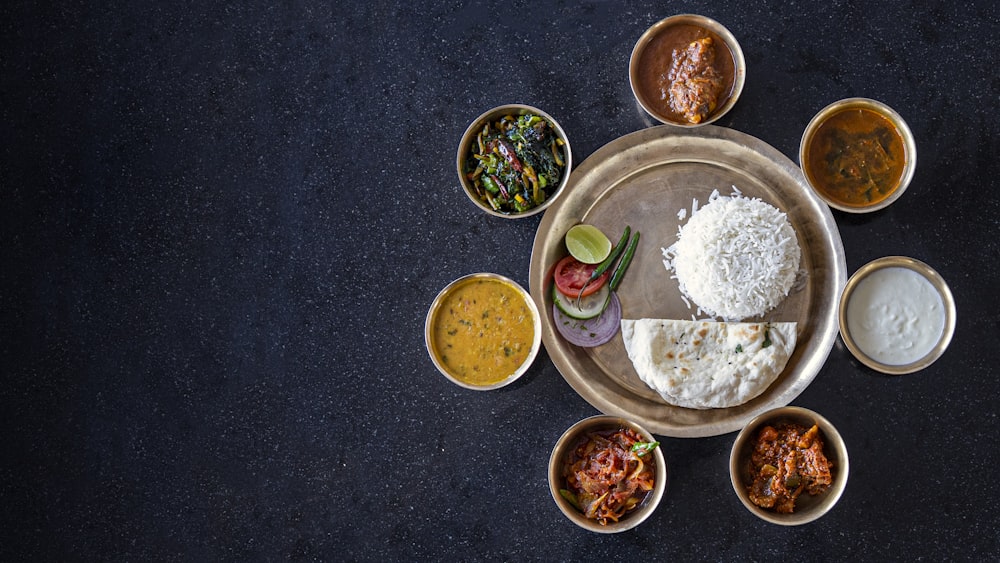
The Secrets of Milk, Cream, and Slow Charcoal Dum
The preparation process at Idrees takes roughly three hours per batch, using techniques that are virtually extinct in commercial kitchens. The first secret lies in their cooking vessel: a heavy, traditional copper Degh (cooking pot) which is carefully tinned on the inside to prevent any chemical reaction and to lock in flavor. Unlike modern gas ranges, Idrees cooks exclusively over a traditional clay furnace (Bhatti) fueled entirely by Pathar Ka Koyla (hard coal). The radiant, slow heat from coal allows the temperature to distribute perfectly across the copper surface.
The true signature of Idrees is its incredibly light, non-greasy, yet incredibly rich mouthfeel. This is achieved by cooking the parboiled Arwa Basmati rice and mutton in a broth supplemented with full-fat milk, fresh cream (malai), and a splash of aromatic floral extracts including kewra water and rose water. This "Dhoodh Wali Biryani" avoids heavy, aggressive hot spices. Instead, the kitchen relies on a highly refined spice blend of green cardamom, cloves, cinnamon, and freshly grated nutmeg and mace. The result is a highly digestible, subtly scented dish that leaves a delicate, buttery perfume on your fingers.
The Sensory Experience of Pata Nala Chowk
Dining at Idrees Biryani is not a luxury experience; it is a raw, high-energy immersion into the core of Lucknow’s street-food subculture. The shop operates under strict daily hours, usually running out of its limited batches in a matter of hours. There are no online delivery registrations, digital payment setups, or modern reservation books. Customers must stand on the busy street corner of Raja Bazar, hand over paper currency, and receive their piping hot portions on simple steel plates.
The flavor profile of the biryani is famously multi-dimensional. When served, you will notice that the rice is not uniformly orange or yellow. It is a beautiful canvas of pearly white, pastel yellow, and deep saffron grains. When combined with tender chunks of mutton that break apart with the slightest touch of a finger, and a side of their fiery, onion-rich mutton korma or fresh sheermal bread, it creates a dining experience that stays with you long after you leave the city.
A Living Treasure of Indian Culinary History
In our modern world of factory-style food preparation and hyper-processed ingredients, places like Idrees Biryani act as vital cultural archives. They prove that the most memorable food experiences are built on patience, family heritage, and an unyielding respect for the raw ingredients. By choosing to preserve their wood-fired cooking methods and refusing to compromise on their expensive, milk-rich cooking liquid, Abu Bakr and his family ensure that the authentic flavors of Nawabi-era Awadh continue to thrive for future generations of food lovers.



0 Comments