
The Art of Indian Veg Masala Pasta
How to Prepare Indian Veg Masala Pasta at Home: The Ultimate Recipe Guide
There is an undeniable magic when culinary worlds collide, and nothing exemplifies this fusion better than a comforting bowl of Indian Veg Masala Pasta. This dish takes the classic structure of Italian pasta and infuses it with the bold, aromatic flavor profile of a traditional North Indian vegetable curry. It is spicy, tangy, incredibly colorful, and packed with crunchy vegetables. Perfect for a quick weeknight dinner, a lazy Sunday lunch, or a crowd-pleasing lunchbox option, mastering this recipe will elevate your everyday home cooking.
The Philosophy Behind Indian-Style Pasta
To traditionalists, pairing pasta with garam masala, turmeric, and vibrant local spices might seem unconventional. However, in households across India, this combination has evolved into a staple comfort food. The core philosophy centers on treating pasta as a blank canvas—much like rice or flatbreads—capable of absorbing a rich, robust gravy base (known as the *masala*).
Unlike a classic Italian marinara or arrabbiata that relies heavily on slow-simmered tomatoes and fresh herbs like basil, an Indian masala base relies on the holy trinity of aromatics: finely chopped onions, ginger, and garlic, cooked down until caramelized and fragrant. The tomatoes are then introduced along with spice powders, creating a thick, intensely flavorful sauce that coats every single ridge of the pasta. It is a beautiful testament to culinary adaptation.
Choosing the Right Pasta and Vegetables
While you can use almost any pasta shape sitting in your pantry, certain shapes work significantly better for trapping the chunky vegetable masala sauce.
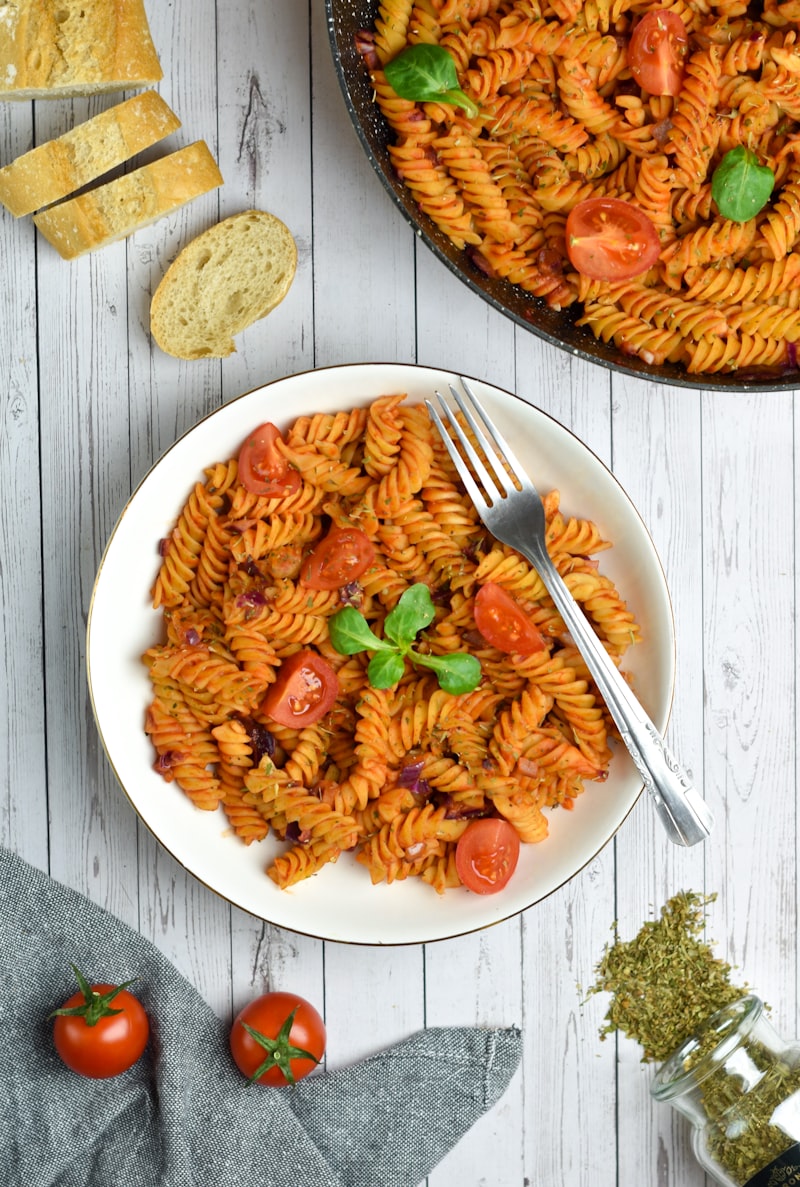
- Penne or Fusilli: These are the gold standards for masala pasta. The hollow tubes of penne catch the sauce on the inside, while the spiral ridges of fusilli hold onto the finely minced onions and spices beautifully.
- Macaroni (Elbow): A nostalgic favorite in Indian households, macaroni offers a soft, bite-sized texture that blends flawlessly with small-diced vegetables.
- The Veggie Mix: The beauty of this dish lies in its versatility. A colorful medley of carrots, green peas, sweet corn, French beans, and bell peppers (capsicum) adds incredible texture, nutrition, and visual appeal. Always chop them uniformly so they cook evenly.
Pro Tip: Do not overcook your vegetables! You want them to retain a slight crunch (*al dente* style) to contrast beautifully against the soft, tender pasta.

Complete List of Ingredients
Gather these ingredients before you turn on your stove to ensure a smooth, seamless cooking process:
- Pasta: 2 cups of Penne, Macaroni, or Fusilli.
- Aromatics: 1 large finely chopped onion, 1 tablespoon ginger-garlic paste, and 1-2 green chilies (slit lengthwise).
- Tomatoes: 2 large ripe tomatoes, finely chopped or pureed for a smoother sauce texture.
- Vegetables: 1.5 cups of mixed diced vegetables (carrots, capsicum, peas, sweet corn, beans).
- Dry Spices: 1/2 tsp turmeric powder, 1 tsp Kashmiri red chili powder, 1 tsp coriander powder, and 1 tsp kitchen king masala or garam masala.
- Finishing Touches: 2 tbsp butter or oil, 2 tbsp fresh cream (optional, for creaminess), a handful of finely chopped fresh coriander leaves, and 1 tsp lemon juice.
Step-by-Step Cooking Instructions
1. Boiling the Pasta Perfectly
Bring 4 to 5 cups of water to a rolling boil in a large pot. Add a generous tablespoon of salt; the water should taste like the ocean, ensuring the inside of the pasta is seasoned. Drop in your pasta and cook according to the package instructions. Aim for *al dente*, which means the pasta is cooked through but still has a slight resistance when bitten into. Drain the pasta, reserving half a cup of the starchy pasta water. Rinse the cooked pasta briefly under cold water to stop the cooking process, and toss with a few drops of oil to prevent sticking.
2. Building the Aromatic Bhuna Base
Heat oil and butter in a large skillet or wok over medium heat. Add your finely chopped onions and green chilies. Sauté continuously until the onions turn translucent and start showing a faint golden edge. Add the ginger-garlic paste and sauté for another minute until the raw aroma completely disappears. Next, drop in your hard vegetables first (like carrots and beans) and cook for 2 to 3 minutes, allowing them to soften slightly while retaining their bright color.
3. Simmering the Spiced Masala
Add the chopped or pureed tomatoes into the pan along with a pinch of salt to help them break down. Reduce the heat slightly and add your dry spices: turmeric, red chili powder, coriander powder, and your choice of garam masala. Stir everything together thoroughly. Cook the mixture until the tomatoes lose their moisture, darken in color, and you see tiny droplets of oil separating from the sides of the masala paste. This step is critical for developing that deep, authentic flavor profile.
4. Combining and Tossing
Drop in your softer vegetables like bell peppers and sweet corn, tossing them into the masala for a minute. Pour in the cooked, drained pasta. Gently fold the pasta into the vegetable gravy using a wooden spoon or spatula, ensuring every piece is evenly coated without breaking the shapes. If the sauce feels a bit too thick or dry, splash in a few tablespoons of your reserved starchy pasta water. This water contains starch that helps bind the sauce seamlessly to the pasta.
Creative Flavor Variations
Once you are comfortable with the basic recipe, you can adapt it to fit different flavor preferences or dietary requirements:
- Creamy Masala Pasta: Stir in two tablespoons of heavy cream or cream cheese right before adding the pasta to mellow out the heat and create a luxurious, velvety texture.
- Cheese Burst Version: Top the hot, finished pasta with a generous handful of shredded mozzarella or processed cheddar cheese, cover with a lid for two minutes, and allow it to melt into gooey perfection.
- Protein-Packed Boost: Toss in cubed paneer (Indian cottage cheese), scrambled tofu, or boiled chickpeas along with the vegetables to turn this into a balanced, high-protein meal.
Serving Suggestions and Storage
Indian Veg Masala Pasta is best enjoyed piping hot, straight out of the skillet. Garnish it generously with freshly chopped coriander leaves and a light squeeze of lemon juice to bring a pop of brightness to the heavy spices. It pairs wonderfully with a side of crispy garlic bread or a cold cucumber mint raita if you want to lean fully into the fusion experience.
If you have leftovers, they can be stored in an airtight container in the refrigerator for up to 2 to 3 days. When reheating, the pasta will likely have absorbed the remaining moisture. Simply place it in a pan, add a tiny splash of water or milk, and warm it gently over low heat on the stovetop, stirring carefully to restore its saucy consistency.
Conclusion
Preparing Indian Veg Masala Pasta at home is a beautiful celebration of flavor, showing how easily comfort food transcends borders. By combining a classic pan-fried masala technique with perfectly boiled pasta, you get a meal that is immensely satisfying, deeply nostalgic, and customized exactly to your taste preference. Skip the fast-food takeout tonight and treat yourself to this home-cooked fusion masterpiece!



0 Comments