
The Breath of the Wok
Mastering the ultimate science of Egg Fried Rice...
Few dishes in the global culinary lexicon boast the universal appeal, profound simplicity, and subtle complexity of a perfectly executed plate of Egg Fried Rice. While it is often relegated to a quick, late-night pantry clear-out or a reliable takeout side dish, true stir-fried rice is a masterclass in culinary physics, texture management, and fast-paced staging. In the heat of a professional kitchen, this humble combination of rice, eggs, and aromatics becomes a canvas for showcasing high-heat skillet mechanics—a concept revered in Cantonese gastronomy as Wok Hei (literally translated as "the breath of the wok").
The Chemistry of Rice Selection and Dehydration
The journey to structural perfection begins long before you heat your pan. The primary pitfall for home cooks is ending up with a sticky, clumpy, or mushy mass instead of distinctly separated, individual grains of dry-coated rice. To prevent this, you must understand the starch profile of the grain. The gold standard for fried rice is premium **long-grain Jasmine rice**. Jasmine possesses a delicate floral aroma and a moderate starch structure that remains firm and separate when subjected to high-temperature stir-frying.
However, the absolute secret weapon is the aging and drying process. Freshly steamed rice is packed with high surface moisture and active gelated starches. Throwing fresh, warm rice directly into a wok guarantees instant clumping. Instead, the rice should be prepared with slightly less water than usual, thoroughly fluffed, spread out onto a sheet tray, and placed in the refrigerator uncovered for at least 12 to 24 hours. This cold, dry environment facilitates **retrogradation**—a process where the cooked starches recrystallize and harden, while surface moisture evaporates. This leaves you with dehydrated, firm grains ready to absorb oils, fats, and seasonings without losing structural integrity.
Demystifying Wok Hei and Skillet Mechanics
To recreate the rich, smoky, and slightly caramelized taste profiles characteristic of elite Asian street-food stalls, one must understand the heat transfer mechanics of the stir-fry. High-performance cooking relies on extreme thermal energy. As the oiled rice grains fly through the rising draft of super-heated air above a carbon-steel wok, oil droplets atomize and vaporize, exposing the sugars and starches of the rice to intense, localized caramelization without burning.
While home burners cannot duplicate the immense thermal BTUs of commercial jet burners, you can optimize your home setup by utilizing heavy, well-seasoned carbon steel or solid cast-iron skillets. These materials boast exceptional thermal retention. By working in small, controlled batches, preheating your pan until thin wisps of blue smoke emerge, and resisting the urge to overcrowd the cooking surface, you can successfully trap heat and build a rich smoky character in your home kitchen.
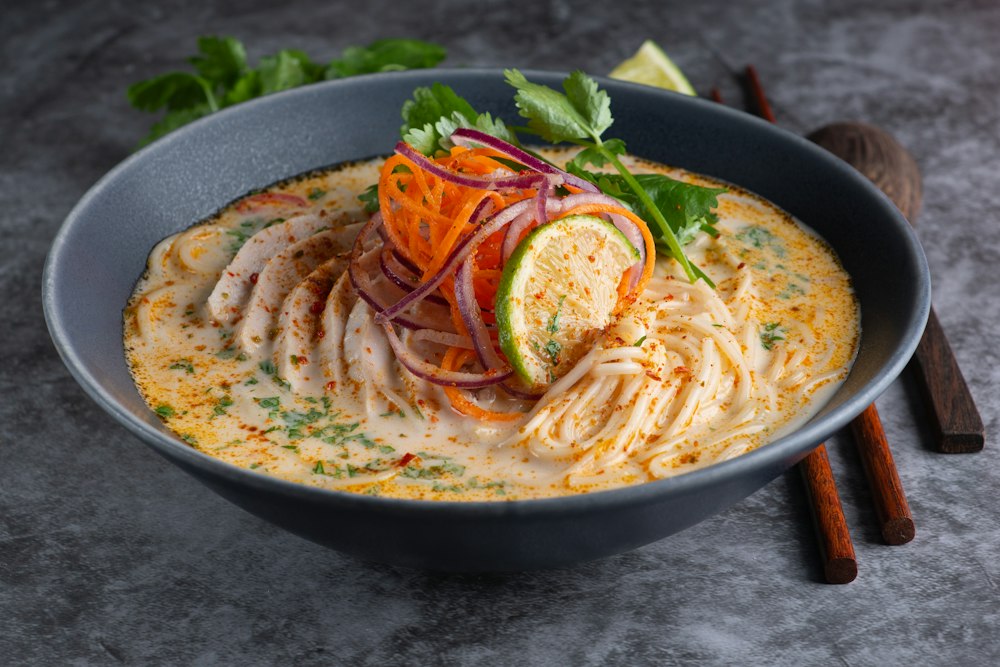
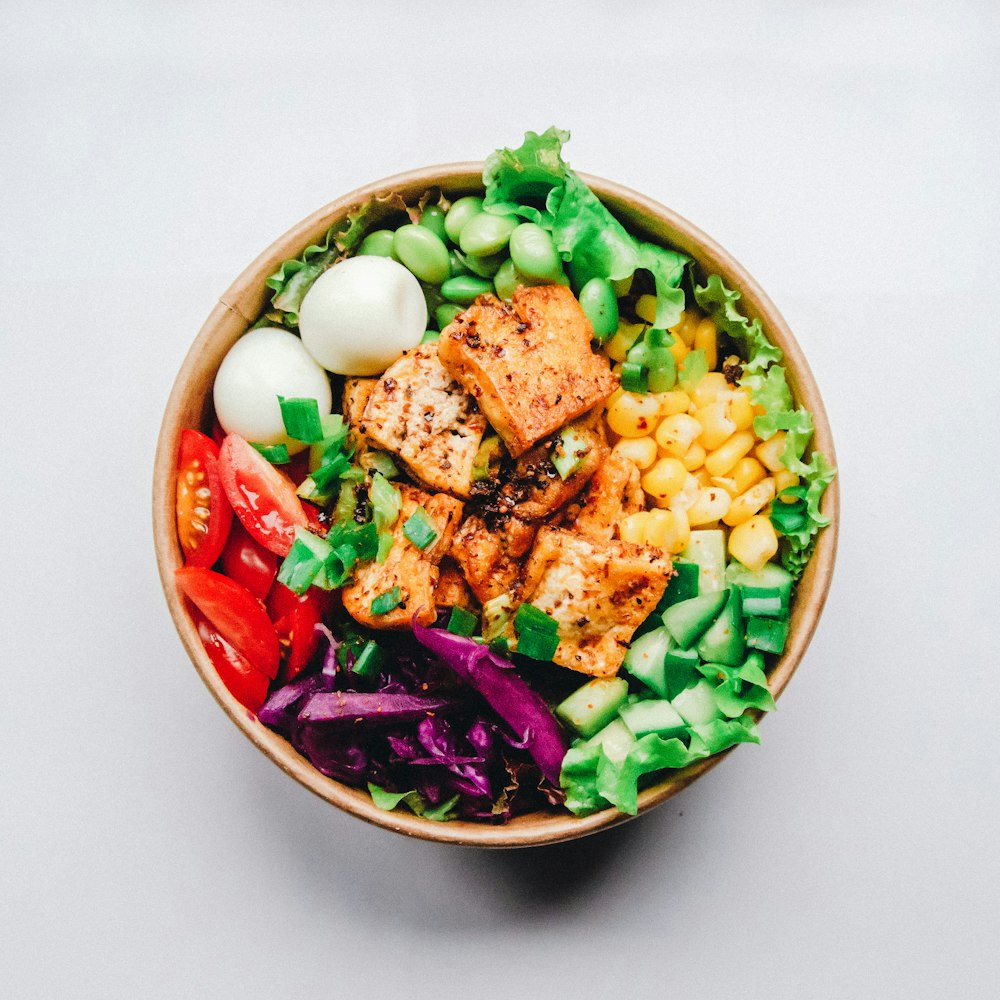
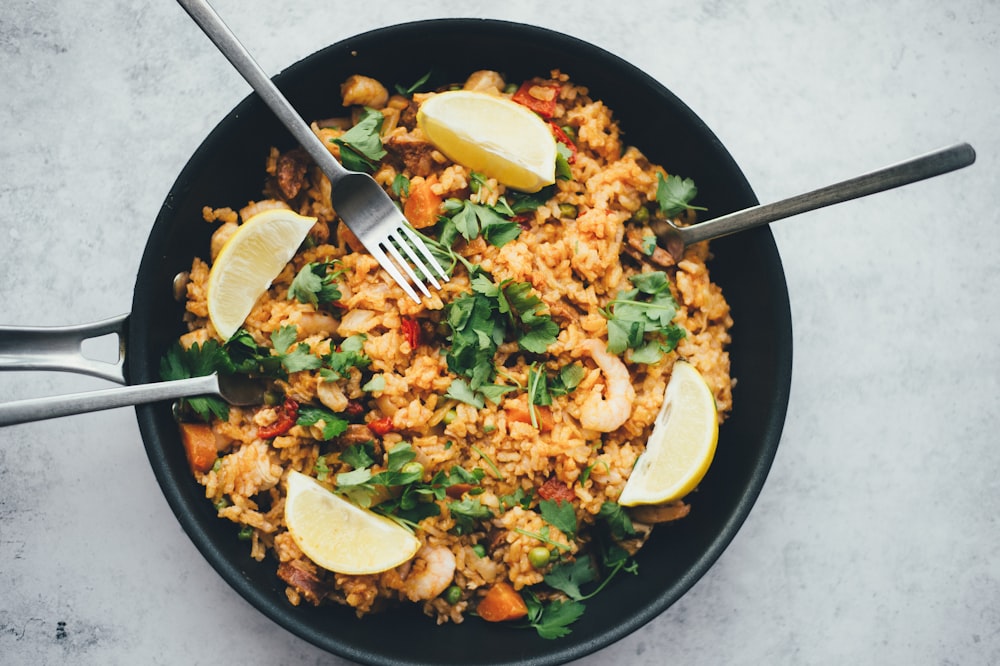
Visualizing the Preparation Stages

The Essential Ingredient Matrix
An authentic, restaurant-grade fried rice relies on a carefully curated sequence of core ingredients. Avoid over-complicating the dish with dense, heavy sauces. Instead, focus on clean, high-impact pantry elements designed to highlight, rather than mask, the toasted nuttiness of the fried grain:
- The Fat Source: A neutral oil with a high smoke point (such as peanut, canola, or grapeseed oil) is mandatory. Avoid olive oil or butter for the initial high-heat stages as their solid particulates will burn instantly under intense heat.
- The Aromatics: The white parts of scallions (spring onions), finely minced garlic, and just a hint of ginger form the flavor foundation of the wok.
- The Soy Sauce Balance: Use premium, naturally brewed light soy sauce for clean, savory salinity. Avoid over-saturating the rice with heavy dark soy sauce, which can make the dish muddy and wet.
- MSG and White Pepper: A pinch of Monosodium Glutamate (MSG) provides that addictive, savory umami depth, while finely ground white pepper delivers a subtle, floral heat that integrates much smoother than black pepper.
The Golden Egg Stir-Fry Technique
There are two primary methods for incorporating egg into fried rice: the "Gold Covered Silver" method (where raw yolk is massaged directly into cold rice grains before cooking) and the "Scrambled Ribbon" method (where egg is cooked separately in the pan). For maximum textural contrast, we recommend the Scrambled Ribbon approach, which yields distinct, tender, fluffy clouds of bright yellow egg interspersed throughout the savory grains.
Heat your wok until it smokes, pour in two tablespoons of neutral oil, and immediately add three well-whisked eggs seasoned with a pinch of salt. The eggs should puff up and bubble instantly. Using a wok spatula, quickly swirl the eggs, pulling the cooked edges toward the center. Just before they set completely (while they are still slightly runny in the middle), transfer them to a bowl. This preserves their delicate moisture and prevents them from turning rubbery during the final high-heat assembly phase.
Step-by-Step Culinary Assembly Guide
Because stir-frying happens in a matter of minutes, you must have all your prepped ingredients arranged within arm's reach of the stove. This systematic progression ensures every element is cooked perfectly:
- Sear the Aromatics: Add another tablespoon of oil to the screaming hot wok. Toss in the white scallion rings and minced garlic. Stir-fry rapidly for 15 seconds until fragrant, ensuring they do not brown or burn.
- Flash-Fry the Rice: Break up your cold, day-old Jasmine rice with your hands to separate any stubborn clumps, then add it directly to the smoking wok. Press the rice gently against the hot metal sides of the pan, then toss. Repeat this sear-and-toss rhythm for 2 to 3 minutes until the grains begin to crackle, pop, and dance.
- Integrate the Seasonings: Drizzle your light soy sauce around the glowing perimeter of the wok rather than directly onto the rice. This flash-evaporates the liquid instantly, caramelizing the natural soy sugars and enveloping the rice in a toasted, aromatic vapor. Sprinkle with salt, white pepper, and a pinch of MSG, tossing continuously to distribute.
- The Final Merge: Return the fluffy scrambled eggs and the vibrant green scallion tops to the pan. Give everything 3 to 4 vigorous, high-speed tosses to break the eggs into delicate bite-sized ribbons and wilt the green onions slightly. Remove from heat and serve immediately.
Conclusion: The Ultimate Test of Culinary Balance
In the culinary world, simplicity is often the hardest thing to master. The perfect plate of Egg Fried Rice does not rely on expensive ingredients or complex gadgets; it demands patience during the dehydration stage, courage when managing extreme temperatures, and fast-paced coordination at the stove. By honoring these time-tested steps, you can transform simple pantry staples into a delicious, smoky, restaurant-quality meal right in your home kitchen.



0 Comments