
Namaste & Welcome
Unlocking the Secrets to the Ultimate Comfort Dessert...
The Grand Indian Dessert Masterclass: How to Prepare Rich and Creamy Daliya ki Kheer
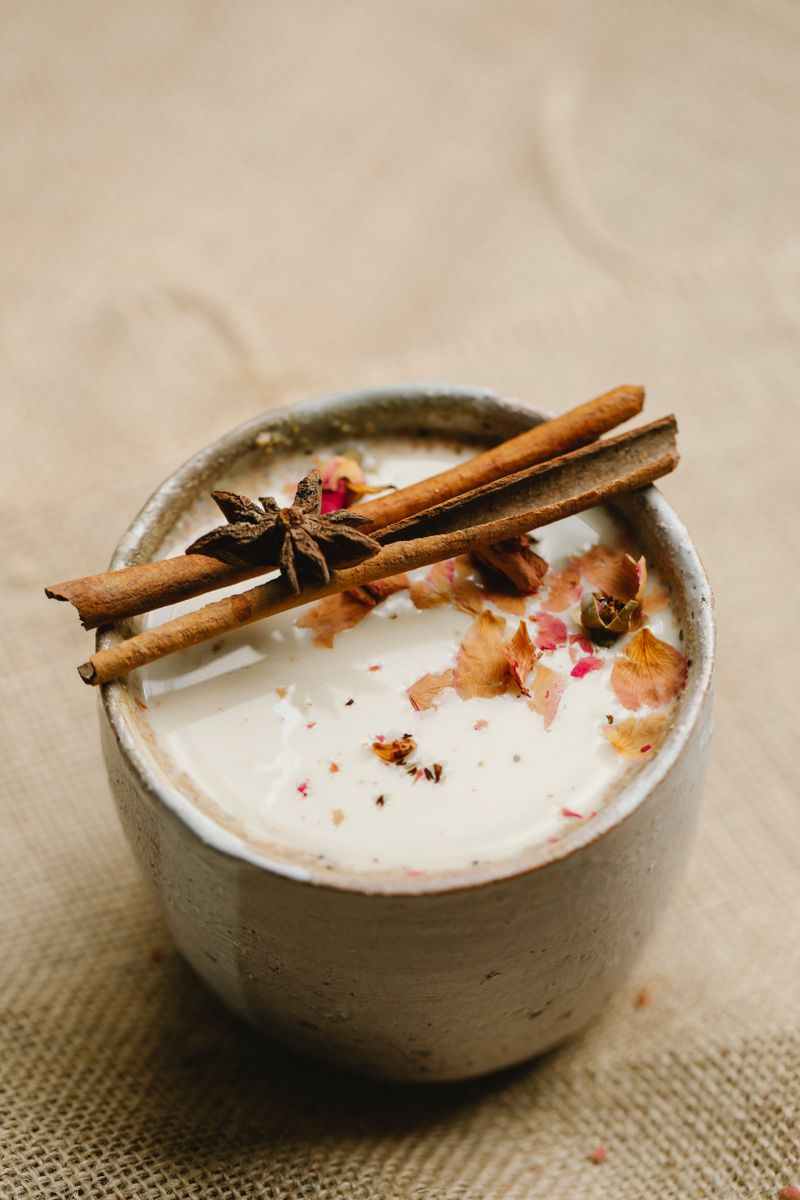
In the vast pantheon of traditional Indian sweets, kheer occupies a sacred space. Whether celebrating a festive milestone, a family gathering, or a quiet evening craving, a warm bowl of milk-based pudding brings instant comfort. While classic recipes rely heavily on white rice, an extraordinarily nutritious and rustic alternative has dominated traditional households for generations: Daliya ki Kheer (Broken Wheat Pudding). This magnificent dish combines the nutty, earthy depth of toasted cracked wheat grains with a rich, slow-simmered milk reduction, creating a texturally complex dessert that is both decadent and genuinely nourishing.
However, true culinary execution of Daliya ki Kheer is not merely boiling grains in milk with sugar. To unlock an elite dessert texture, you must master the science of caramelization during the initial ghee-roasting phase, manage starch gelatinization to prevent a lumpy or split pudding matrix, and balance infusion levels with aromatic spices. In this definitive 1,000-word culinary guide, we will break down the structural mechanics of slow-cooked wheat grains and provide a bulletproof roadmap to mastering this dessert at home.
The Science of Roasting and Grain Gelatinization
Before introducing any liquids, roasting the broken wheat grains in high-quality cow's ghee is an absolute necessity. Broken wheat consists of raw endosperm fragments packed with complex starches and proteins. Roasting triggers the *Maillard reaction*, causing the surface amino acids and natural sugars to brown beautifully. This chemical process completely transforms the grain's flavor profile from plain and earthy to deeply complex with a distinct caramel aroma. It also forms a protective fat barrier around each grain fragment, preventing them from clumping into a mushy paste once simmered.
The second thermodynamic stage involves milk reduction and starch release. As the milk heats up, the wheat starches begin absorbing liquid and swelling—a process known as gelatinization. If you boil the mixture over high heat, the milk proteins will scorch at the bottom of your pan, imparting a bitter, burnt taste to the entire batch. To achieve a luxurious, velvety texture, the kheer must simmer gently over low ambient heat, allowing the wheat to release its starches slowly to thicken the milk naturally into a rich cream.
The Master Blueprint: Raw Ingredients
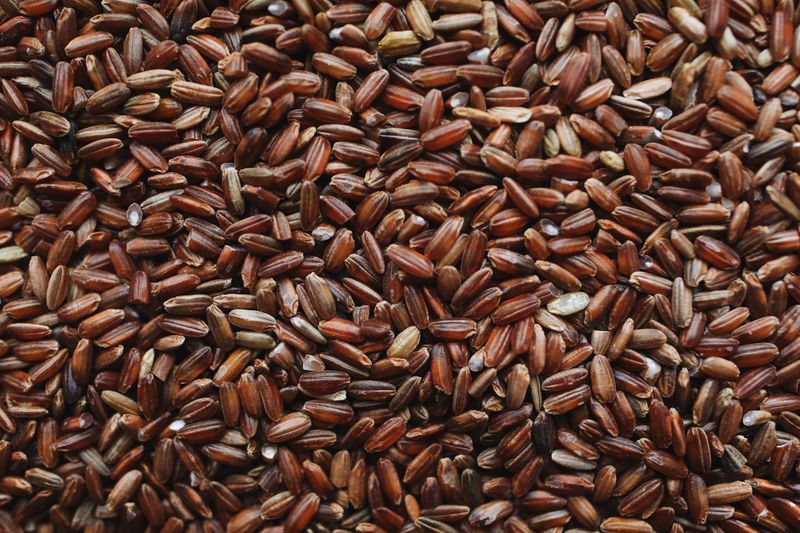
- 1/2 cup (100g) Daliya (Broken Wheat / Cracked Wheat).
- 4 cups (1 Litre) Full-Cream Milk (Provides a luxurious cream base).
- 2 tbsp Pure Desi Ghee (Essential for browning the grains).
- 1/2 cup (100g) Sugar or Crumbled Organic Jaggery (*Gur*).
- 1/2 tsp Green Cardamom Powder (*Elaichi*) freshly ground.
- 10-12 strands Saffron (*Kesar*) dissolved in 2 tbsp of warm milk.
- 2 tbsp Chopped Almonds, Cashews, and Pistachios for garnish.
- 1 tbsp Golden Raisins (*Kishmish*) soaked in warm water.
Step-by-Step Culinary Protocol
1. Executing the Golden Ghee Roast
Place a heavy-bottomed deep pan or traditional *Kadhai* over medium-low heat and melt 2 tablespoons of pure desi ghee. Once the ghee is hot and shimmering, add 1/2 cup of raw daliya grains. Stir continuously to ensure every grain fragment is evenly coated in the fat. Roast the grains patiently for about 5 to 7 minutes. Watch the color profile shift from a dull beige to a rich, warm golden brown. Once a distinct, sweet, nutty aroma fills your kitchen, the roasting phase is complete.
2. Fluid Infusion and Slow-Cook Reduction
Carefully pour 4 cups of hot full-cream milk directly into the pan with your roasted grains. The mixture will sputter briefly as the cold liquids contact the hot pan, so stir immediately to combine. Bring the milk to a rolling boil over medium-high heat. Once boiling, reduce the flame to its lowest setting, cover the pan loosely with a lid, and let the mixture simmer gently for 25 to 30 minutes.
Stir the kheer every few minutes, scraping down the condensed milk solids (*malai*) that gather along the sides of the pan and folding them back into the pudding. This continuous reduction builds incredible depth of flavor. Test the wheat grains by pressing a fragment between your thumb and forefinger; they should be completely tender and yield smoothly to pressure.
3. Sweetening and Aromatic Tempering
Once the daliya is completely soft, add 1/2 cup of sugar (or your organic jaggery) into the simmering base. Stir well until the sweetener dissolves entirely. The kheer will loosen up slightly as the sugar melts into liquid syrup, so let it simmer uncovered for an additional 5 minutes until it thickens back up to a rich, ribbon-like consistency.
Pour in your prepared saffron-infused milk, which will tint the pudding with a gorgeous pale yellow hue. Sprinkle 1/2 teaspoon of freshly ground green cardamom powder across the surface, mix thoroughly, and turn off the heat. Stir in your toasted nuts and plump raisins, saving a few slivers for the final presentation display.
Pro Tips for Custom Toppings and Storage Layouts
If you prefer using traditional jaggery (*gur*) over white sugar for a more rustic flavor, never add it to the pan while the heat is turned on. The natural acids in unrefined jaggery can easily cause hot, fresh milk to curdle instantly. Instead, turn the flame off completely, let the kheer cool down slightly for 5 minutes, and then stir in your finely crumbled jaggery until it melts smoothly into the warm pudding matrix.
Daliya ki Kheer tastes phenomenal whether served piping hot on a chilly evening or chilled in the refrigerator for a refreshing afternoon treat. Keep in mind that as the broken wheat starches continue to set and cool, the kheer will thicken up significantly. If your refrigerated leftovers turn out too dense, simply stir in a few splash steps of warm milk before serving to restore its signature velvety texture. Store any extra portions inside a clean glass container in your refrigerator for up to three days.



0 Comments